
Detailed Hardwood Addition to a Masonry Cottage
NEA Studio
SDA Structure
Nathan Etherington
.avif)

View out to sunny courtyard.

First floor timber balustrade.

Natural light provided by louvres.

Private study nook.

Seamless transition from living room to courtyard.

Vibrant display of contrast between the blue joinery and red curtain.

Large sliding door that either separates or combines the dining and lounge rooms.
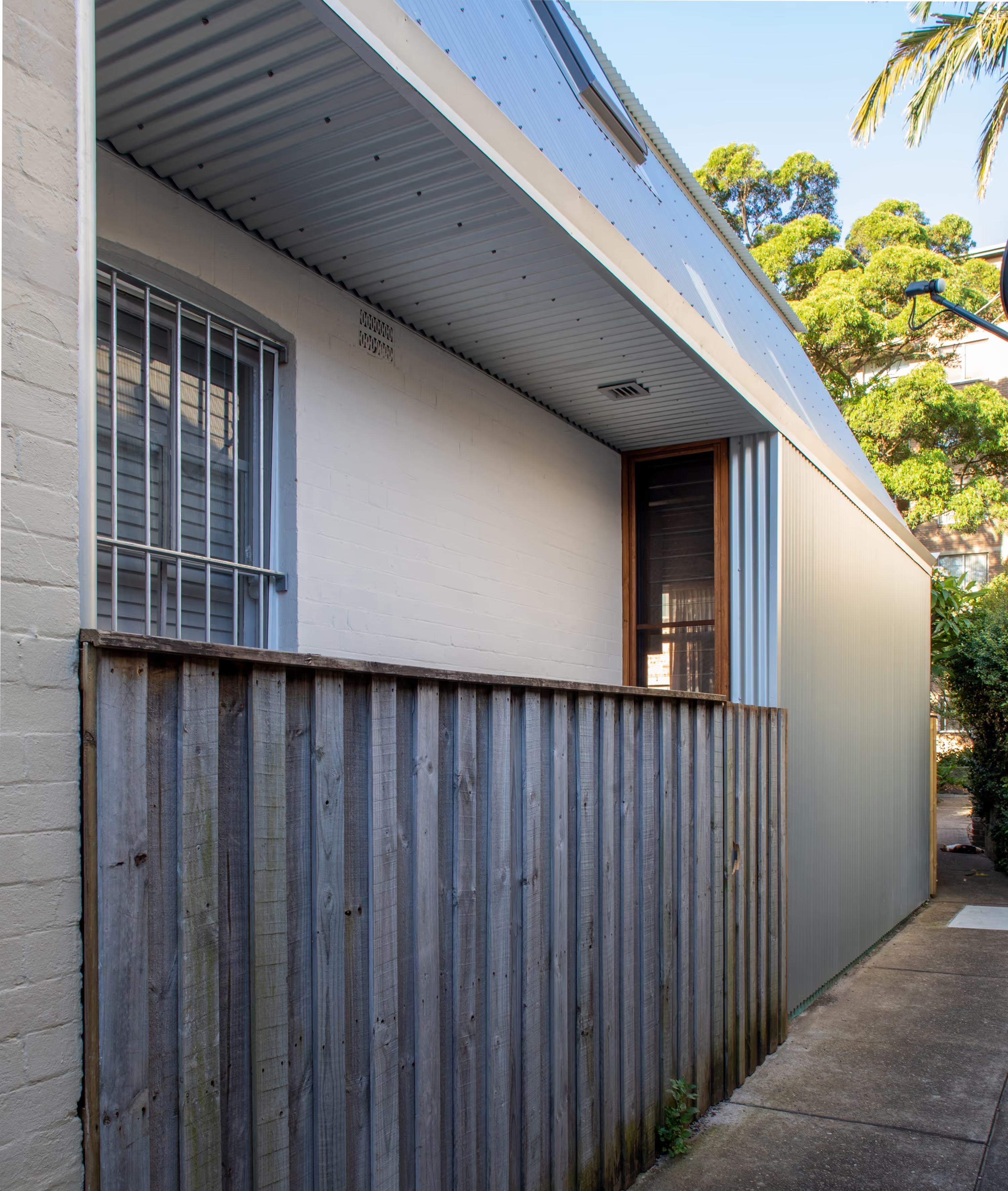
Side access of terrace house.

Simple bathroom tiles that give more of a focus on the vibrancy in other areas of the home.

Full elevation of the external battens that give privacy the to first floor.
Our Impact

Sustainable Materials
Hardwood joinery, recycled timber, and responsibly sourced cladding form the backbone of the project’s material palette. Existing timber elements were refinished and integrated where possible, minimising waste and reducing the embodied carbon footprint.
Working with the Landscape
Outdoor spaces, including a sunny courtyard and terrace areas, were carefully integrated to connect interior and exterior living. Existing site features were respected and enhanced, creating a home that feels embedded in its context while fostering a strong indoor-outdoor relationship.
Environmental Performance
Passive design strategies, including louvered windows and cross-ventilation, optimise natural light and airflow throughout the addition. The design supports energy efficiency without compromising the comfort or livability of the home.
Adaptive Reuse and Timber Integration
The Armadillo Addition thoughtfully extends an existing masonry cottage, retaining key structural elements while introducing a new timber framework. This approach preserves the home's original character and creates a seamless dialogue between old and new.
Our Process
Pre-Construction
Pre-construction centred on carefully analysing the existing cottage and planning how the addition would connect both structurally and spatially. Early investigations informed demolition, excavation and structural interfaces, ensuring the new works could integrate seamlessly with the retained building fabric and be delivered efficiently once on site.
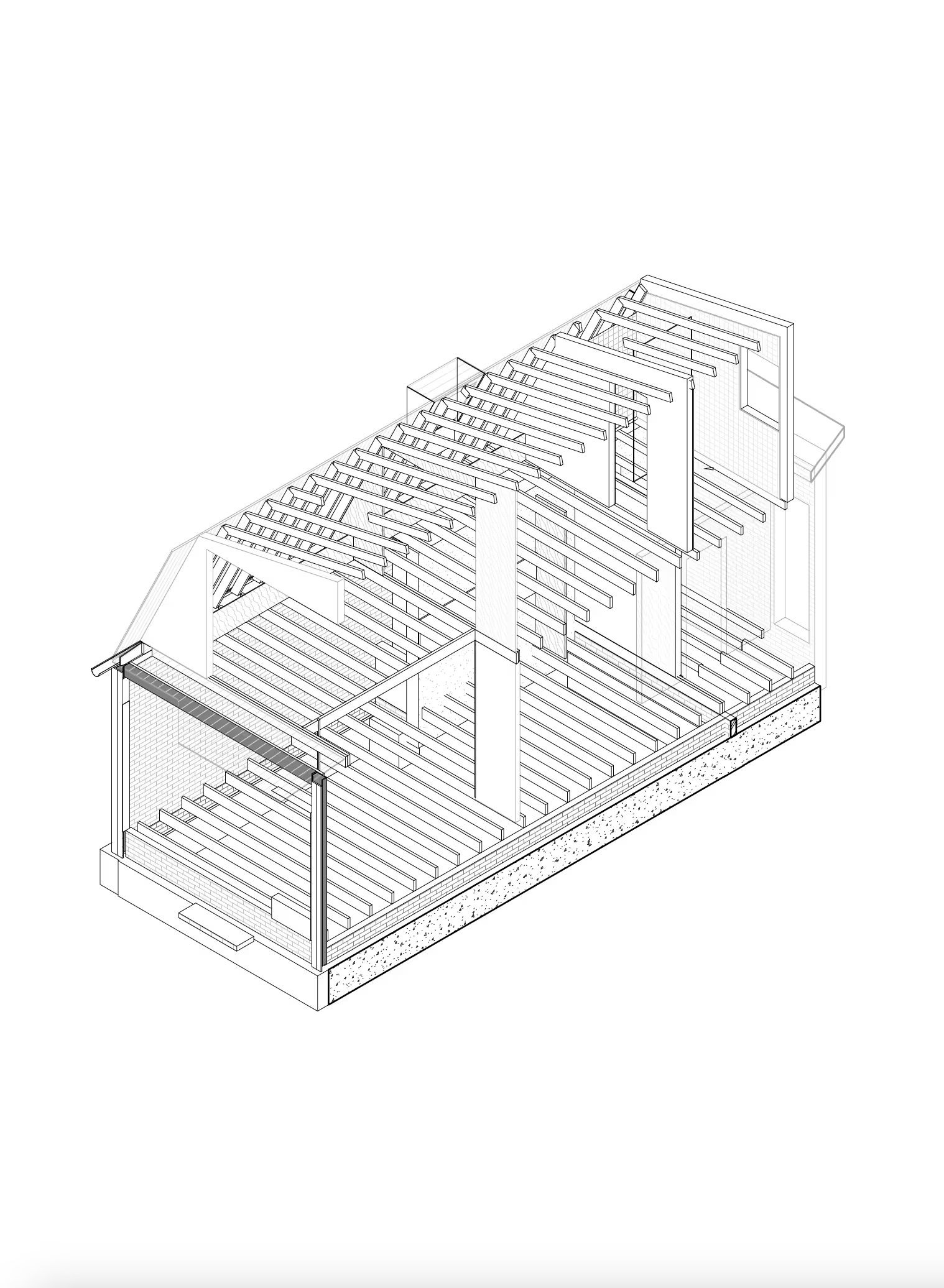
Model view of addition created by NEA Studio

Street facing view of existing front facing façade
Early Works
The early works phase focused on preparing the existing dwelling and site for the new addition with minimal disruption. This stage prioritised protecting retained elements and setting accurate benchmarks for the structural works to follow.

Initial demolition of the existing rear of the building

Detailed excavation to make way for concrete
Structure
This addition combined retained masonry with a lightweight timber framework, leaving key beams and joists exposed as both structure and finish. Steel portals support openings, while pre-fabricated timber components reduced waste and improved efficiency.

Floor joists sit on posts and span the length of the addition

Structural walls create an envelope upon which the rest of the building is constructed
Enclosure
The enclosure uses durable, low-maintenance materials and careful details to ensure long-term performance. Openings are positioned to support ventilation and privacy, while junctions between existing and new construction are resolved with precision to create a cohesive and robust envelope.

Colorbond custom orb cladding installed to the Southern façade

Hardwood doors and windows installed to Eastern façade
Interiors
The interiors emphasise a timber-heavy aesthetic, with warm, tactile surfaces that complement the existing cottage. Structural elements are celebrated, while blue joinery provides a bold, contemporary contrast and a strong visual anchor. The layout is designed to create a seamless transition between inside and outside, connecting living spaces with the garden and outdoor areas.

Plaster patching prior to painting

Joinery units underneath the internal staircase
Aftercare

Routine maintenance internally and externally
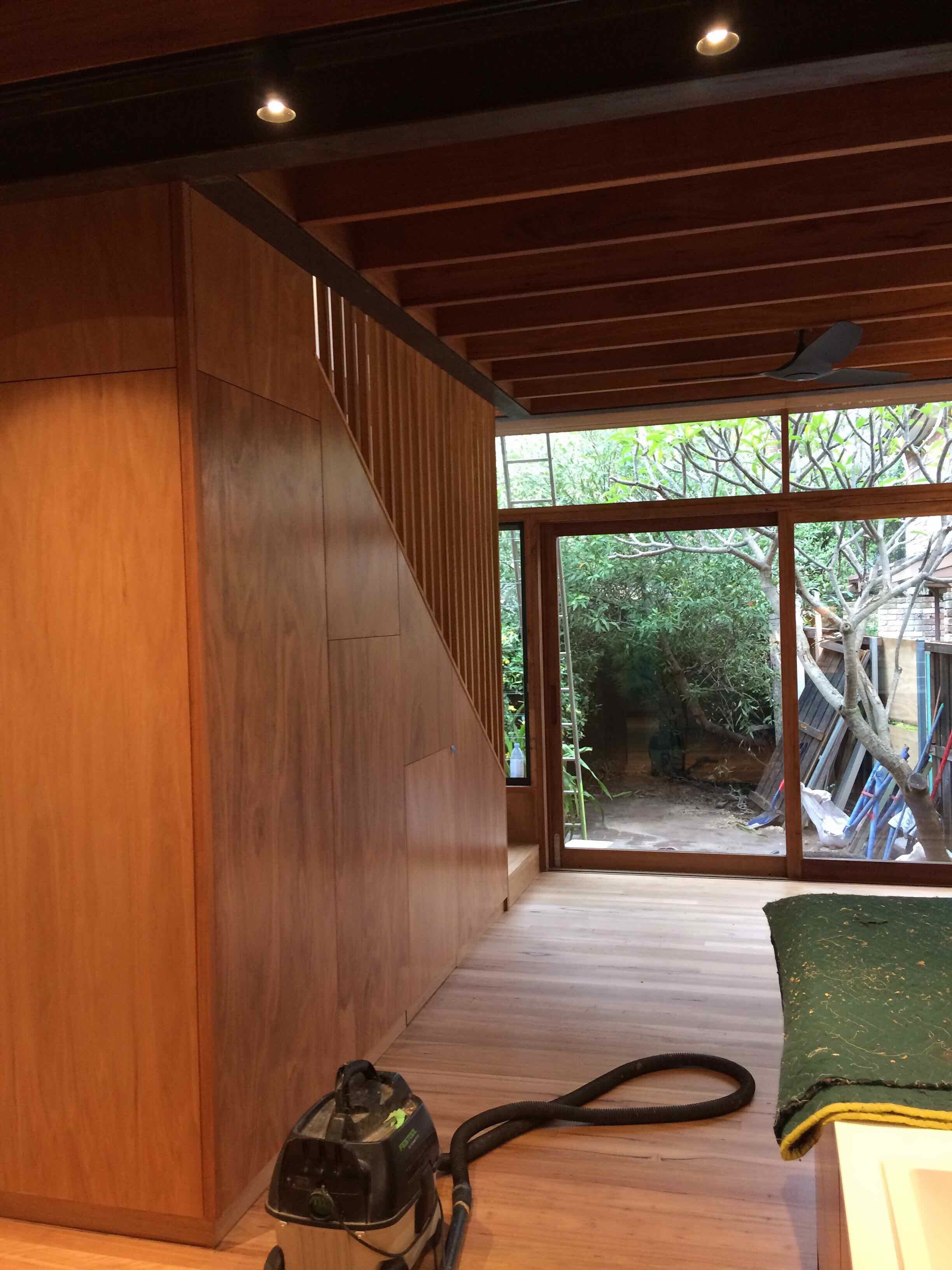
Refinish of timber floorboards
Recognition
Awards
Publications
More Projects

.avif)


.avif)
